
Plaid in Online Casinos: Banking Verification, Secure Payments and KYC Checks
Online casinos in 2026 are under greater pressure to strengthen payment security, prevent fraud and comply with stricter identity verification standards. One of the technologies increasingly used for these purposes is Plaid. Originally developed as a financial data connection service, Plaid now plays an important role in banking verification, account authentication and KYC procedures across licensed gambling operators in several regulated markets. Its integration allows casinos to confirm player information more quickly while reducing delays connected with withdrawals and account reviews.
How Plaid Works Inside Online Casino Payment Systems
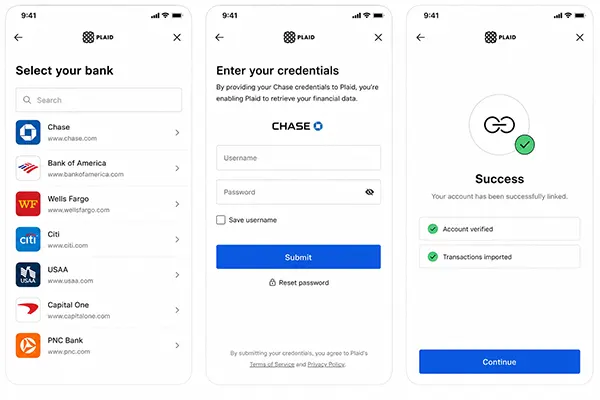
Plaid acts as a secure intermediary between a player’s bank account and the casino cashier system. Instead of manually entering long banking details or uploading paper statements, users can connect their online banking profile through encrypted authentication. The system verifies account ownership directly with the bank without exposing login credentials to the gambling operator.
In regulated jurisdictions such as the United States and Canada, many online casinos use Plaid to simplify ACH transfers and instant banking deposits. The technology supports thousands of financial institutions, allowing players to connect checking accounts, savings accounts and selected digital banking services. This process usually takes less than a minute and significantly reduces failed transaction rates compared with traditional manual bank transfers.
Another reason casinos rely on Plaid is transaction monitoring. Operators can confirm whether a payment source belongs to the registered player and identify unusual financial activity that may require additional checks. This helps licensed gambling companies comply with anti-money laundering obligations introduced by financial regulators and gambling commissions during the past several years.
Why Casinos Prefer Automated Banking Verification
Traditional banking verification often required users to upload scanned bank statements or wait for small verification deposits to appear in their account. These methods slowed down onboarding and frequently caused delays during withdrawal processing. Plaid eliminates much of this friction through direct bank authentication.
Automated verification also lowers operational costs for casino operators. Support teams spend less time manually checking documents, while fraud departments receive more accurate information directly from financial institutions. In high-volume gambling environments, reducing manual review workloads can improve withdrawal speed and customer support efficiency.
Players benefit from faster access to deposits and quicker approval of withdrawal requests. Since the account ownership check happens automatically, casinos can reduce the number of additional document requests. This becomes particularly important during high withdrawal periods connected with major sporting events, jackpot wins or promotional campaigns.
Plaid and KYC Compliance in Regulated Gambling Markets
KYC, which stands for “Know Your Customer”, remains one of the most important compliance requirements in modern online gambling. Licensed casinos must verify player identity, confirm payment ownership and monitor suspicious financial activity. Plaid has become a practical solution because it provides verified banking information directly from trusted financial institutions.
In many regulated markets, casinos are required to match payment details with personal registration data. Plaid assists by confirming that the bank account holder’s name aligns with the casino account information. This reduces the risk of third-party payments, stolen banking credentials and account misuse.
Regulators have also increased expectations regarding responsible gambling monitoring. Financial transaction analysis can help identify unusual deposit behaviour, rapid spending spikes or potential indicators of financial distress. While Plaid itself is not a responsible gambling tool, the verified financial connection helps casinos maintain more accurate compliance records when reviewing account activity.
Security Measures Used During Plaid Verification
Plaid uses encrypted communication protocols designed to protect sensitive banking information during the verification process. Modern integrations typically rely on token-based authentication, meaning casinos do not directly store a player’s online banking credentials. This lowers exposure to credential theft and reduces cybersecurity risks connected with payment processing.
Multi-factor authentication is another important layer. Depending on the bank, users may need to confirm login attempts through mobile applications, SMS codes or biometric verification. These security steps help ensure that only the legitimate account holder can authorise the banking connection.
Casinos that integrate Plaid must still comply with regional data protection rules. In Europe, operators working with similar open banking systems must follow GDPR requirements regarding user consent and personal data handling. Transparency about data usage has become increasingly important as players pay closer attention to digital privacy standards.
Advantages and Limitations of Plaid for Casino Players
One of the biggest advantages of Plaid is speed. Deposits connected through verified bank accounts are often processed almost instantly, while withdrawals may move faster because ownership verification has already been completed. This creates a smoother payment experience compared with older banking systems that rely heavily on manual approval.
Another benefit is reduced paperwork. Many players prefer not to upload utility bills, bank statements or additional financial documents unless absolutely necessary. Plaid reduces these requirements in some situations by allowing casinos to confirm banking relationships electronically through secure bank connections.
However, Plaid availability still depends on regional banking infrastructure and local gambling regulation. Some countries limit open banking integrations inside gambling environments, while certain financial institutions may not support external authentication systems. As a result, not every casino or player can use Plaid-based verification methods in 2026.
Potential Concerns Linked to Banking Data Access
Despite its convenience, some users remain cautious about connecting personal banking accounts to third-party financial applications. Even though Plaid does not usually share banking passwords with casinos, players may still worry about how financial data is stored, analysed or retained by connected services.
Privacy advocates have also raised concerns regarding financial data aggregation across different industries. Banking activity can reveal spending habits, transaction patterns and financial behaviour. Because of this, reputable gambling operators increasingly publish detailed privacy policies explaining how verification data is processed and protected.
For players, the safest approach is choosing licensed casinos regulated by recognised gambling authorities and using secure banking practices such as two-factor authentication and updated passwords. Plaid can improve payment efficiency and verification speed, but users should still review security settings carefully before linking any financial account to an online gambling service.